




World Water Day: Simple Ways Brisbane Households Can Save Water Every Day
Sunday 22 March marks World Water Day, a reminder of how essential water is to our lives and how important it is to use it wisely. In Queensland, where rainfall can swing between intense storms and prolonged dry periods, being water smart at home has never mattered more.
While the scale of global water challenges can feel overwhelming, meaningful change starts right where we live. Small, practical actions taken by households across the state can collectively protect our shared water future. Here’s how you can make a difference in your own home.
Fix leaks and drips early
Even tiny leaks add up quickly. A tap dripping once per second can waste over 10,000 litres of water a year, a common problem highlighted by plumbing experts across Australia.
Queensland Government advice also stresses that dripping taps and leaking fixtures should be repaired promptly to avoid unnecessary water loss.
Quick wins:
- Speak to a licensed plumber if you can’t locate the source. (Seqwater recommends using registered plumbers for any plumbing work.)
- Check under sinks, around toilets and near your hot water system for damp spots.
For anyone wanting extra guidance, Urban Utilities have step‑by‑step resources available on how to read your water meter and spot possible underground leaks – a useful way to identify water loss early before it becomes a bigger issue.
Choose water efficient fixtures and appliances
Upgrading to water‑saving devices is one of the easiest ways to reduce household use.
The national Water Efficiency Labelling and Standards (WELS) scheme rates taps, toilets, showers, dishwashers, and washing machines for water efficiency so you can compare products before you buy.
For example, replacing a 15 L/min showerhead with a 9 L/min model can save a family up to 70kL of water each year.
Look for:
- Low‑flow showerheads
- Dual‑flush toilets
- Water‑efficient dishwashers and washing machines
Be smarter with everyday indoor water use
Seqwater recommends a number of simple household habits that add up to big savings.
In the bathroom:
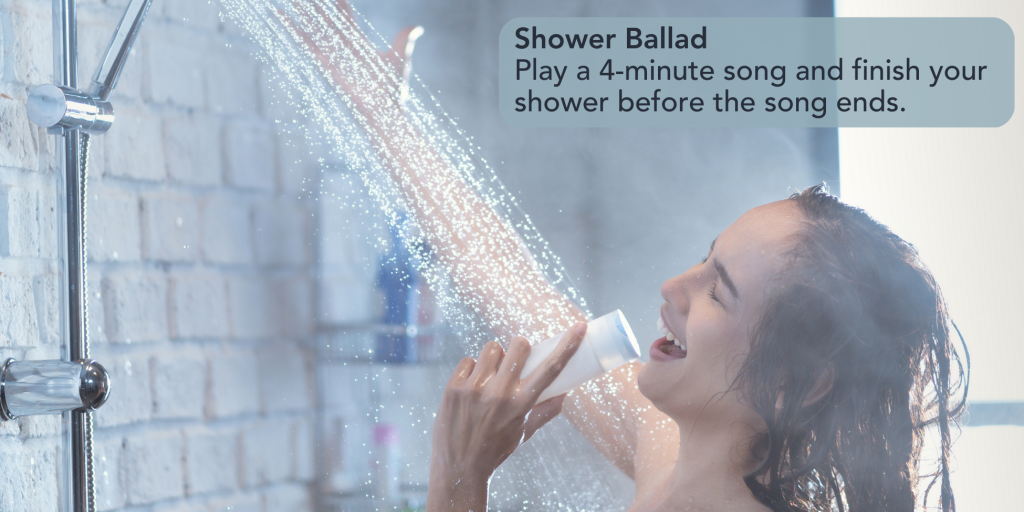
- Take 4‑minute showers.
- Turn off the tap when brushing your teeth or shaving.
In the kitchen:
- Scrape, don’t rinse, dishes before loading the dishwasher.
- Use a bowl to rinse vegetables instead of running the tap.
In the laundry:
- Only run your washing machine with a full load.
- Use eco‑cycles where possible.
Outdoor water savings that suit Queensland’s climate
Queensland’s warm conditions can lead to high outdoor water use, but there are many ways to reduce it.
Garden and lawn care
- Water early in the morning or late in the afternoon, before 8am or after 4pm, to minimise evaporation.
- Choose drought‑resistant native plants, such as Grevillea or Lomandra, well‑adapted to SEQ’s climate.
- Add organic matter and mulch to improve soil moisture and reduce watering frequency.
- Aerate your lawn to help it absorb rainfall.
Smart irrigation
- Drip irrigation systems are ideal as they water roots directly, reducing evaporation.
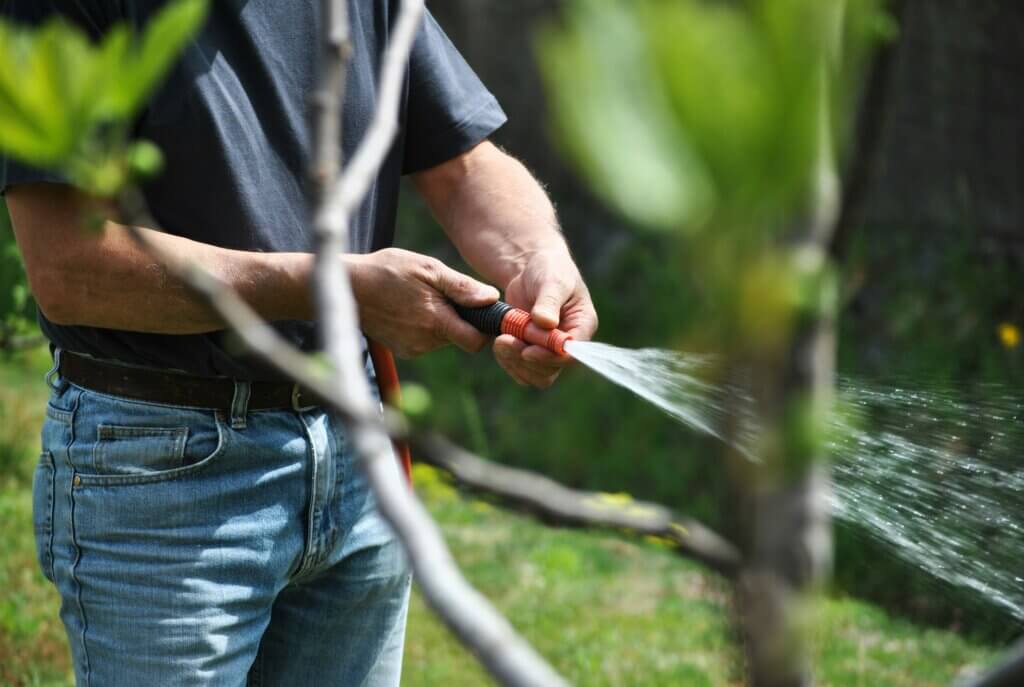
- Use hoses with trigger nozzles – According to SEQ Water, an unattended hose can waste up to 1000 litres per hour.
- Maintain your irrigation system and consider adding timers or moisture sensors.
Stay aware of water restrictions and dam levels
Even when restrictions aren’t active, Queenslanders are encouraged to stay water‑wise.
Current SEQ water grid levels and usage guidance are updated daily by Seqwater.
A small change from everyone makes a big difference
If one million SEQ residents each save just three litres a day, SEQ could conserve three million litres of water daily (the equivalent of 15,000 bathtubs).
World Water Day is a reminder that protecting our most precious resource is a shared responsibility. The simplest household habits, turning off taps, fixing leaks, choosing efficient appliances, or rethinking how you water your garden, can make a real impact.
Water is life. Let’s value it, protect it, and use it wisely every day.
What’s your household footprint??
Water isn’t the only way you can reduce your impact. Take the Brisbane Carbon Challenge online calculator to find out what your footprint is and more ways to reduce your impact for lower bills and emissions.
Explore our other articles


8 Hard-to-Recycle Items in Brisbane and What to Do With Them



5 Sustainable Valentine’s Day ideas that show love for your partner and the planet
Nine ways to have a more sustainable Christmas
Money-saving powerhacks: summer edition
Make it a meaningful Christmas
How to dispose of Christmas waste responsibly

Brisbane’s Green Waste Revolution