





NEWS
On the Couch: A Conversation with Stewart Moore from EarthCheck
As destinations around the world navigate the challenges of climate change, growing visitor expectations and increasing pressure to demonstrate genuine environmental leadership, sustainability is moving from aspiration to accountability. EarthCheck has spent more than three decades helping destinations, tourism operators and governments measure, manage and improve their environmental and social performance through science-based frameworks and independent certification.
In this edition of On the Couch, we speak with Stewart Moore, CEO of EarthCheck about the role certification plays in building more resilient destinations, the lessons learned from successful tourism operators and why Brisbane has an opportunity to lead on the global stage as the city looks towards 2032.
A conversation with Stewart Moore: Turning sustainability ambitions into measurable action
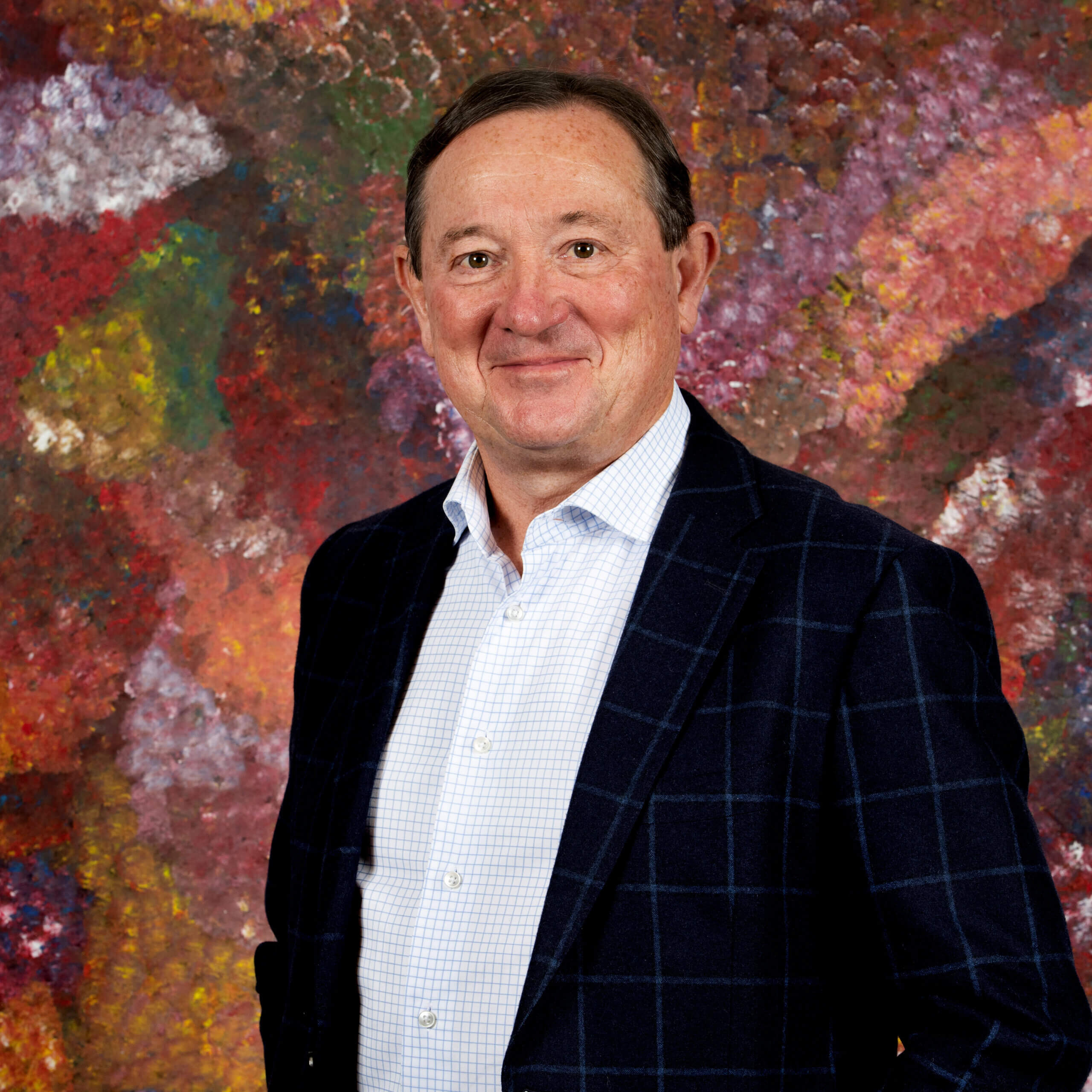
Stewart Moore, CEO of EarthCheck
EarthCheck has helped destinations and tourism operators improve their environmental and social performance around the world. How do you describe EarthCheck’s role in supporting more sustainable destinations, including here in Brisbane and Queensland?
EarthCheck provides destinations with a science-based framework that moves sustainability from aspiration to accountable action. We benchmark performance against global best practice, enabling data-led decision-making and long-term planning rather than one-off initiatives. While many destinations have some strong sustainability initiatives in place, our programs embed sustainability into core strategy, track performance over time and drive continuous improvement.
Our very own South Bank is EarthCheck Destination Certified and demonstrates this approach in action, guided by a clear sustainability policy, measuring tourism’s impact across the community and implementing initiatives that respond to both local opportunities and challenges.
Certification and benchmarking can translate high‑level goals into measurable action. Can you share an example where EarthCheck has worked with a precinct, region or operator to deliver tangible improvements in emissions, waste or biodiversity outcomes?
EarthCheck has been providing environmental reporting for the Perisher Range Resorts lodges and the NSW National Parks and Wildlife Service for over 16 years. EarthCheck’s long-term partnership with Thredbo Village illustrates how environmental reporting and certification can help to translate ambition into measurable outcomes. Thredbo Village has achieved measurable gains in energy efficiency and emissions reduction, with energy intensity now 40 per cent better than EarthCheck Best Practice levels and operational emissions 73 per cent better than Best Practice. (Best Practice represents leading performance levels derived from international case studies and regional and sector data.) Importantly, these outcomes are independently verified and tracked year on year. Certification ensures improvements are not only achieved but maintained and strengthened over time.
Tourism destinations are facing increasing climate and resilience risks. How is EarthCheck helping governments, councils and industry partners plan for long‑term sustainability while supporting local economies and communities?
Through our advisory services, EarthCheck partners with governments and industry, both in Australia and internationally, to design programs that respond to local challenges while strengthening economic outcomes.
In Västerbotten, Sweden, we have supported SMEs to measure and reduce carbon emissions. In Ireland, we are working with Fáilte Ireland and businesses nationwide to accelerate emissions reduction. Closer to home, we have partnered with the Caravanning Queensland association to build flood and fire resilience.
While solutions must be locally grounded, they contribute to a shared global ambition: resilient destinations that support communities, protect natural assets and remain competitive in a changing market.
Data, standards and on‑the‑ground practice all need to align. What have you learnt about turning sustainability strategies into practical day‑to‑day decisions for tourism operators and destination managers?
We often see operators begin with well-intentioned tactical actions without fully understanding their impact. Certification places strategy behind those actions, establishing priorities, tracking performance and embedding sustainability into everyday decision-making.
The other critical lesson is that sustainability is delivered by people. Front-of-house staff, housekeepers, engineers and managers all influence outcomes. For change to be sustained, teams must understand why it matters and how their role contributes. You have to bring the team on the journey with you, which is why we emphasise the importance of training. When sustainability becomes part of organisational culture, practical improvements follow.
Looking ahead to Brisbane 2032, how do you see sustainability certification and destination stewardship evolving and where are the opportunities for cities like Brisbane to lead?
Well before 2032, global expectations are shifting. The EU’s Green Claims and consumer protection legislation is reshaping how sustainability is measured, audited and communicated. Transparency and verification are becoming non-negotiable.
Over the next six years, we’re going to see greater scrutiny of environmental claims from international consumers and governments. For Brisbane, this presents an opportunity. Even without local legislation mandating it, destinations and operators can align with credible certification programs that require robust data collection and independent audits.
Brisbane is competing in a global marketplace, and cities that embrace transparency, evidence and stewardship now will be best placed to lead on the world stage in 2032 and beyond.
As global expectations around transparency and environmental performance continue to rise, destinations that can demonstrate measurable outcomes will be best positioned to thrive. For Brisbane and Queensland, the opportunity extends beyond hosting a major international event. It is about creating a long-term legacy built on stewardship, resilience and evidence-based action.
Through certification, benchmarking and collaboration, organisations like EarthCheck are helping destinations turn sustainability strategies into everyday practice. As Brisbane prepares for 2032 and beyond, the challenge and opportunity will be to ensure the city’s environmental ambitions are matched by meaningful action that delivers lasting benefits for communities, visitors and the natural environment.
If you would like to be a part of our On the Couch series, please reach out to Phoebe Mann at [email protected].