




Nature and Wildlife
Explore diverse habitats and spot native wildlife along Oxley Creek.
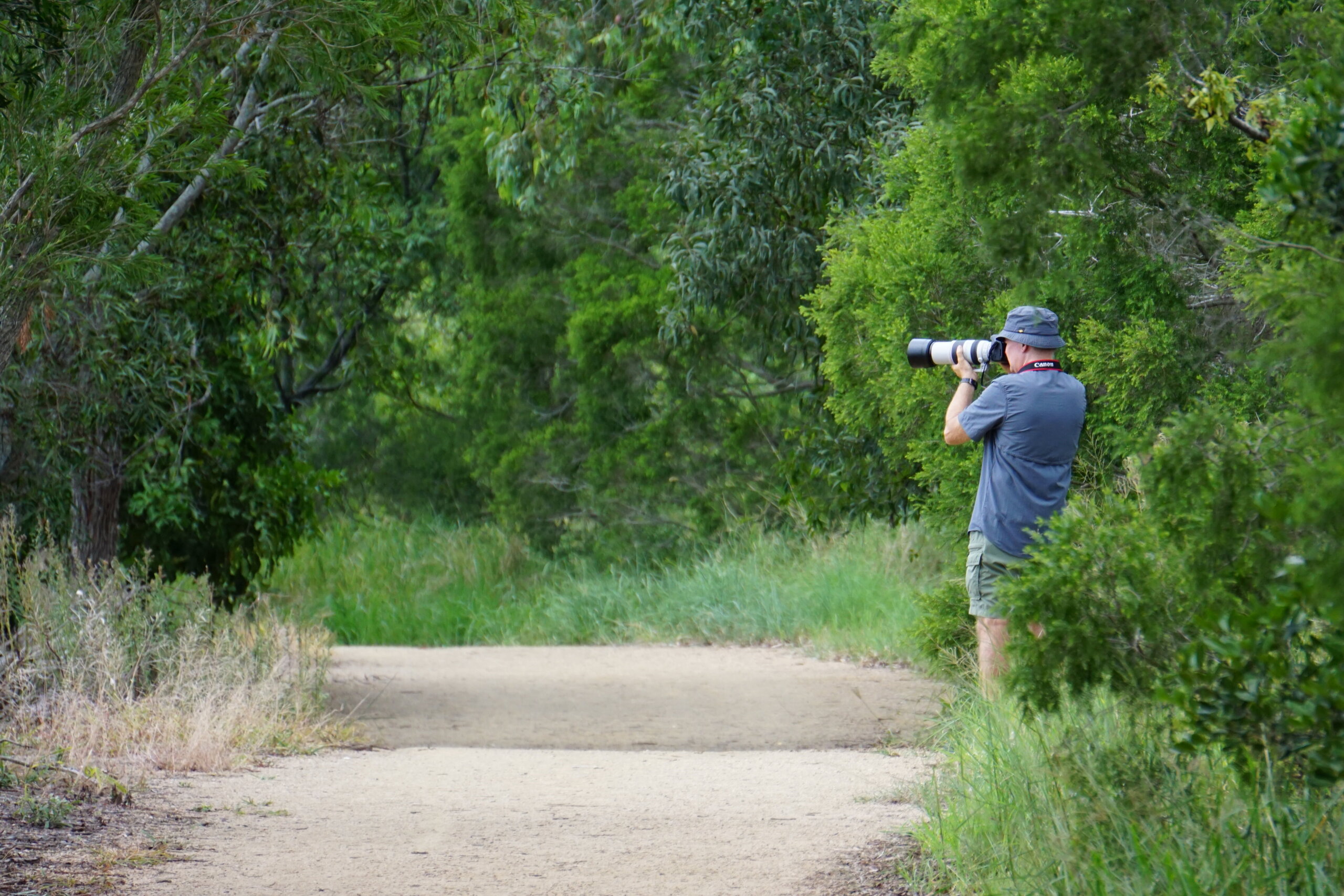
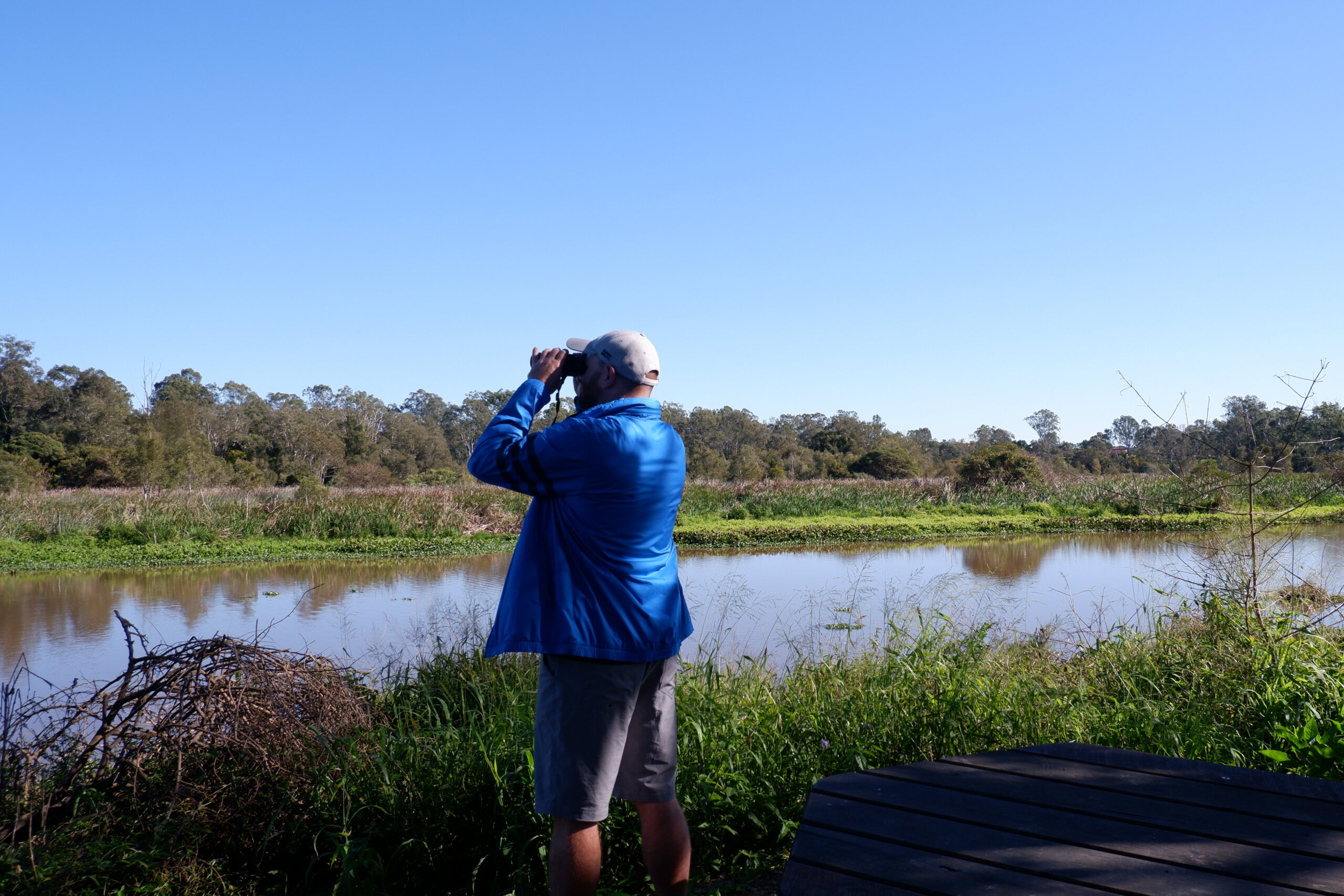
Birdwatching at Oxley Creek Common
Despite the Common’s urban location just 7km from the Brisbane CBD, one quarter of Australia’s native bird species have been spotted onsite, along with migratory birds from as far away as Japan and Russia. The large open space hosts significant wetlands and is bounded on two sides by Oxley and Stable Swamp Creeks, which together provide habitat for diverse bird species.
Archerfield Wetlands Parkland
Archerfield Wetlands provide an important habitat for a diverse range of bird species, some of which are uncommon within the wider-Brisbane area. The parklands have a wide diversity of habitats: grassland, river, wetland and woodland. Over 170 species of birds have been recorded in those habitats in the last few years. A collaborative ongoing bird monitoring project between the Brisbane Sustainability Agency, BirdLife Southern Queensland and Birds Queensland commenced in early July 2021 with the establishment of eight 2-hectare transects along the length of the Wetlands Discovery Trail.
Birds are particularly good as indicators of environmental health and the state of an environment. Ongoing bird surveys will provide important information as to any habitat and environmental changes that may affect bird numbers and diversity.
An experienced birdwatcher may find 60-70 species of bird in a 3-4 hour morning walk through Archerfield Wetlands.
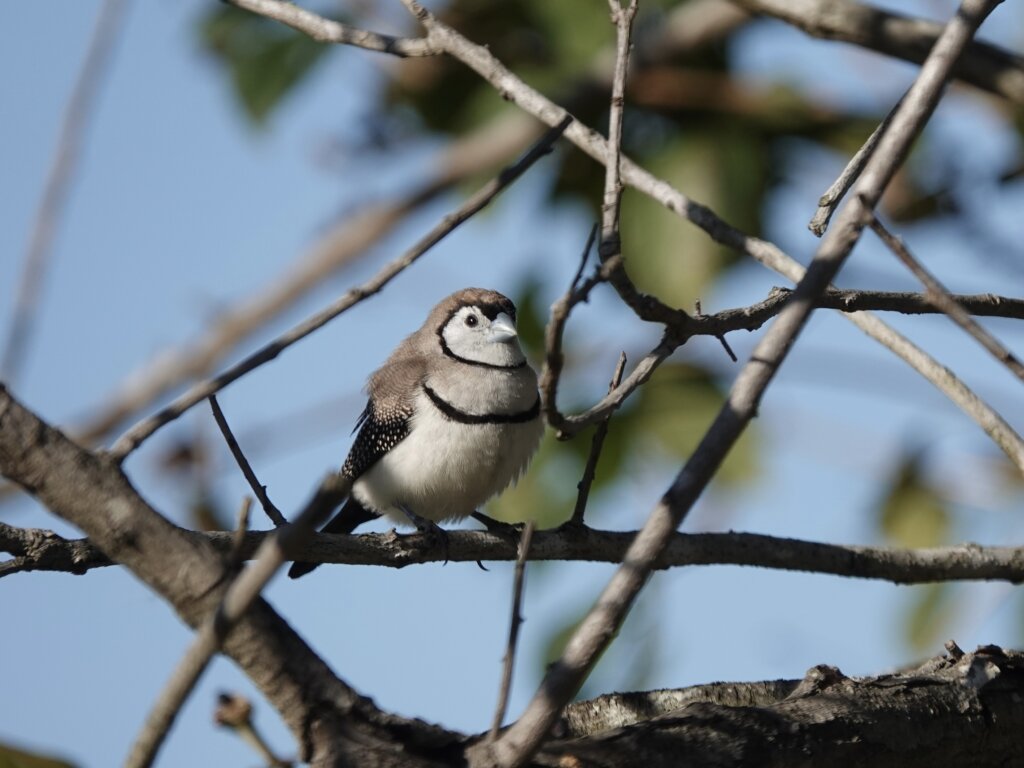
Double-barred finch
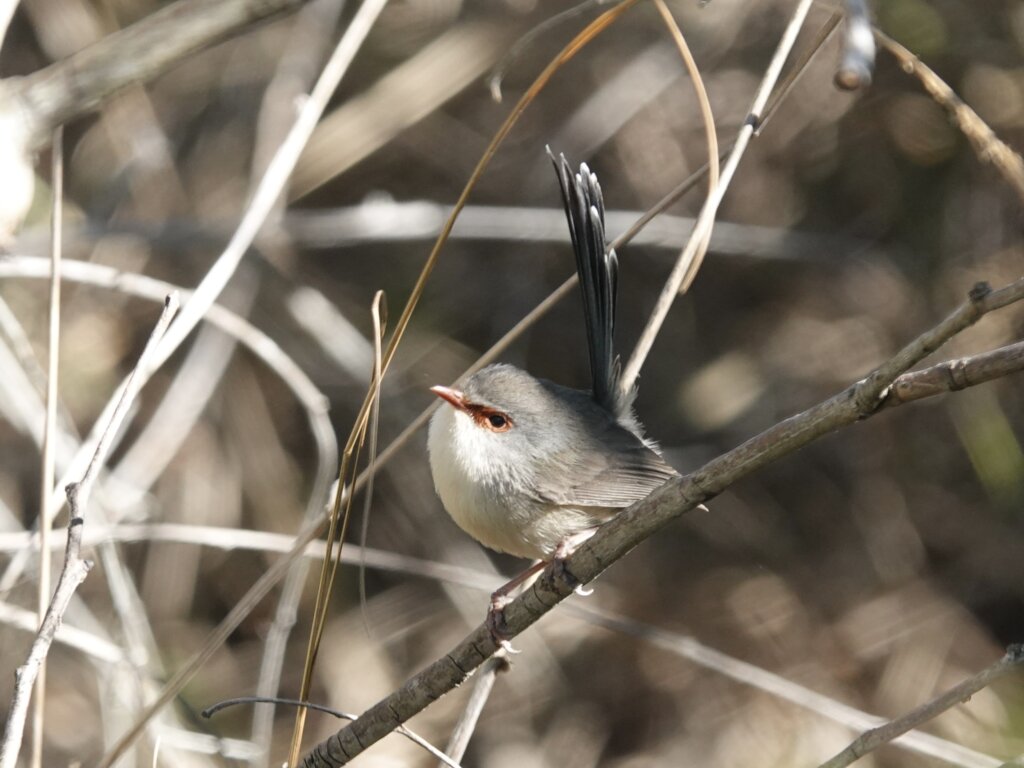
Superb fairy wren (female)
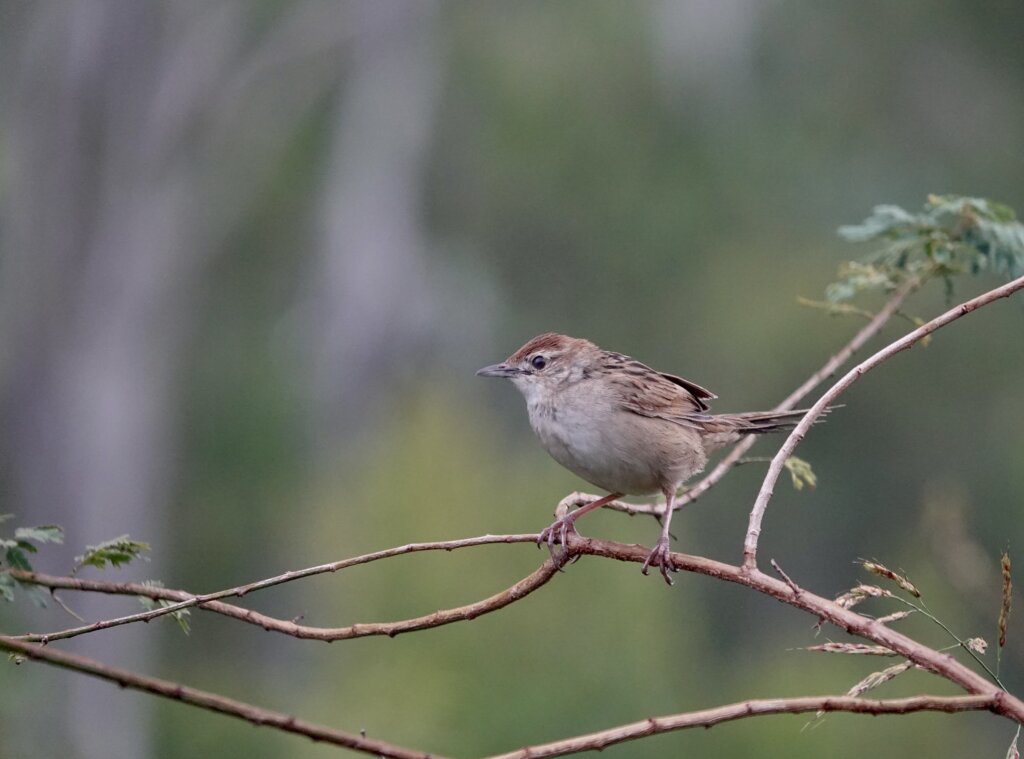
Tawny grassbird
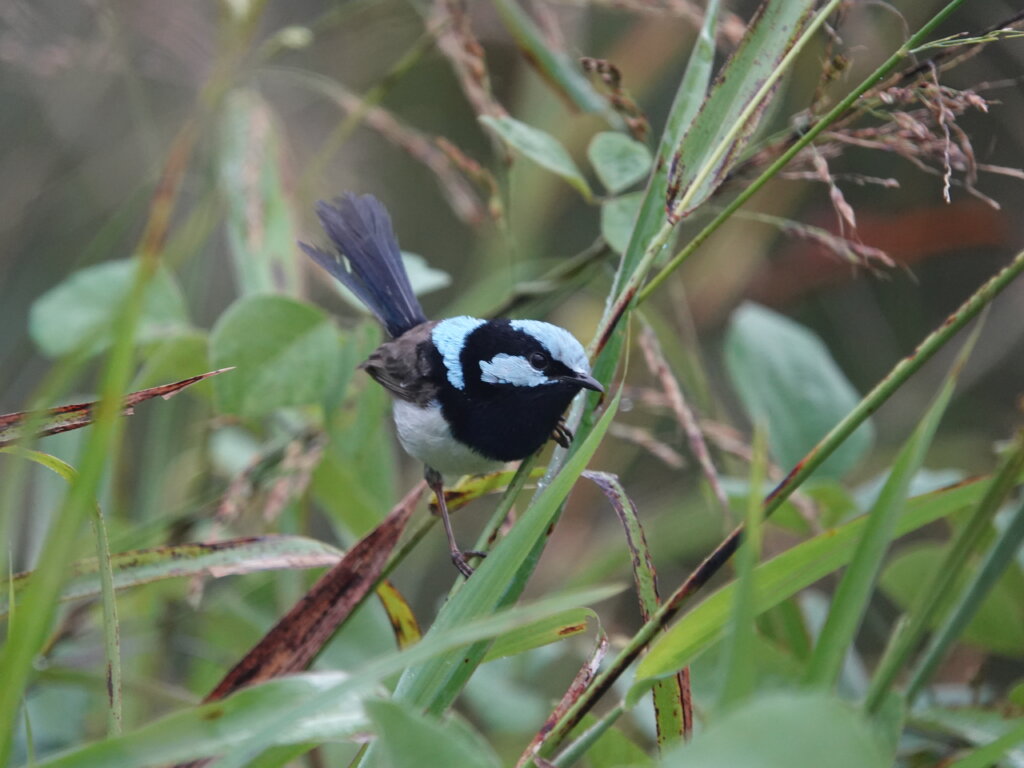
Superb fairy wren (male)
Record your sightings for science!
You can become a citizen scientist by recording your own bird sightings as your walk along the Wetlands Discovery Trail. Your observations will contribute to scientific research and help gain an understanding of the abundance and diversity of bird species within Archerfield Wetlands over time.
To record your sightings online visit Ebird or Birddata.
Birds surveyed at Archerfield Wetlands to date
Below is a list of the bird species surveyed to date* within Archerfield Wetlands. Further information relating to these species can be found in the links below.
This eBird graph shows a visual representation of the variation in sighting frequency of birds at Archerfield Wetlands through the seasons.
*Note: survey last conducted August 2023
| Common name | Species name and link to further information | ||
| 1 | Australasian darter | Anhinga novaehollandiae | |
| 2 | Australasian figbird | Sphecotheres vieilloti | |
| 3 | Australasian gannet | Morus serrator | |
| 4 | Australasian grebe | Tachybaptus novaehollandiae | |
| 5 | Australasian swamphen | Porphyrio melanotus | |
| 6 | Australian bittern | Ixobrychus dubius | |
| 7 | Australian brushturkey | Alectura lathami | |
| 8 | Australian golden whistler | Pachycephala pectoralis | |
| 9 | Australian hobby | Falco longipennis | |
| 10 | Australian kestrel | Falco cenchroides | |
| 11 | Australian king-parrot | Alisterus scapularis | |
| 12 | Australian magpie | Gymnorhina tibicen | |
| 13 | Australian pelican | Pelecanus conspicillatus | |
| 14 | Australian reed warbler | Acrocephalus australis | |
| 15 | Australian tern | Gelochelidon macrotarsa | |
| 16 | Australian white ibis | Threskiornis molucca | |
| 17 | Azure kingfisher | Ceyx azureus | |
| 18 | Bar-shouldered dove | Geopelia humeralis | |
| 19 | Black kite | Milvus migrans | |
| 20 | Black swan | Cygnus atratus | |
| 21 | Black-faced cuckoo-shrike | Coracina novaehollandiae | |
| 22 | Black-faced monarch | Monarcha melanopsis | |
| 23 | Black-fronted dotterel | Elseyornis melanops | |
| 24 | Black-necked stork | Ephippiorhynchus asiaticus | |
| 25 | Black-shouldered kite | Elanus axillaris | |
| 26 | Blue-breasted quail | Excalfactoria chinensis | |
| 27 | Blue-faced honeyeater | Entomyzon cyanotis | |
| 28 | Brahminy kite | Haliastur indus | |
| 29 | Brown cuckoo-dove | Macropygia phasianella | |
| 30 | Brown falcon | Falco berigora | |
| 31 | Brown goshawk | Accipiter fasciatus | |
| 32 | Brown honeyeater | Lichmera indistincta | |
| 33 | Brown quail | Coturnix ypsilophora | |
| 34 | Brown songlark | Cincloramphus cruralis | |
| 35 | Brown treecreeper | Climacteris picumnus | |
| 36 | Brush cuckoo | Cacomantis variolosus | |
| 37 | Buff-banded rail | Gallirallus philippensis | |
| 38 | Bush stone curlew | Burhinus grallarius | |
| 39 | Cattle egret | Bubulcus ibis | |
| 40 | Channel-billed cuckoo | Scythrops novaehollandiae | |
| 41 | Chestnut-breasted mannikin | Lonchura castaneothorax | |
| 42 | Chestnut teal | Anas castanea | |
| 43 | Collared sparrowhawk | Accipiter cirrocephalus | |
| 44 | Comb-crested jacana | Irediparra gallinacea | |
| 45 | Common myna | Acridotheres tristis | |
| 46 | Common starling | Sturnus vulgaris | |
| 47 | Crested pigeon | Ocyphaps lophotes | |
| 48 | Double-barred finch | Taeniopygia bichenovii | |
| 49 | Dusky moorhen | Gallinula tenebrosa | |
| 50 | Eastern barn owl | Tyto javanica | |
| 51 | Eastern cattle egret | Bubulcus coromandus | |
| 52 | Eastern koel | Eudynamys orientalis | |
| 53 | Eastern spinebill | Acanthorhynchus tenuirostris | |
| 54 | Eastern whipbird | Psophodes olivaceus | |
| 55 | Eastern yellow robin | Eopsaltria australis | |
| 56 | Eurasian coot | Fulica atra | |
| 57 | Fairy martin | Petrochelidon ariel | |
| 58 | Fan-tailed cuckoo | Cacomantis flabelliformis | |
| 59 | Forest kingfisher | Todiramphus macleayii | |
| 60 | Galah | Eolophus roseicapilla | |
| 61 | Glossy ibis | Plegadis falcinellus | |
| 62 | Golden-headed cisticola | Cisticola exilis | |
| 63 | Great cormorant | Phalacrocorax carbo | |
| 64 | Great egret | Ardea alba | |
| 65 | Grey butcherbird | Cracticus torquatus | |
| 66 | Grey fantail | Rhipidura albiscapa | |
| 67 | Grey goshawk | Accipiter novaehollandiae | |
| 68 | Grey shrike-thrush | Colluricincla harmonica | |
| 69 | Grey teal | Anas gracilis | |
| 70 | Hardhead | Aythya australis | |
| 71 | Horsfield’s bronze cuckoo | Chrysococcyx basalis | |
| 72 | Intermediate egret | Ardea intermedia | |
| 73 | Jacky-winter | Microeca fascinans | |
| 74 | Latham’s snipe | Gallinago hardwickii | |
| 75 | Laughing kookaburra | Dacelo novaeguineae | |
| 76 | Leaden flycatcher | Myiagra rubecula | |
| 77 | Lewin’s honeyeater | Meliphaga lewinii | |
| 78 | Lewin’s rail | Lewinia pectoralis | |
| 79 | Little black cormorant | Phalacrocorax sulcirostris | |
| 80 | Little bronze-cuckoo | Chrysococcyx minutillus | |
| 81 | Little corella | Cacatua sanguinea | |
| 82 | Little eagle | Hieraaetus morphnoides | |
| 83 | Little egret | Egretta garzetta | |
| 84 | Little friarbird | Philemon citreogularis | |
| 85 | Little grassbird | Poodytes gramineus | |
| 86 | Little lorikeet | Parvipsitta pusilla | |
| 87 | Little pied cormorant | Microcarbo melanoleucos | |
| 88 | Little wattlebird | Anthochaera chrysoptera | |
| 89 | Little x long-billed corella (hybrid) | Cacatua sanguinea x tenuirostris | |
| 90 | Long-billed Corella | Cacatua tenuirostris | |
| 91 | Magpie goose | Anseranas semipalmata | |
| 92 | Magpie-lark | Grallina cyanoleuca | |
| 93 | Mallard | Anas platyrhynchos | |
| 94 | Maned duck | Chenonetta jubata | |
| 95 | Mangrove gerygone | Gerygone levigaster | |
| 96 | Masked lapwing* | Vanellus miles | |
| 97 | Mistletoebird | Dicaeum hirundinaceum | |
| 98 | Muscovy duck | Cairina moschata | |
| 99 | Musk lorikeet | Glossopsitta concinna | |
| 100 | Noisy friarbird | Philemon corniculatus | |
| 101 | Noisy miner | Manorina melanocephala | |
| 102 | Nutmeg mannikin | Lonchura punctulata | |
| 103 | Olive-backed oriole | Oriolus sagittatus | |
| 104 | Oriental cuckoo | Cuculus optatus | |
| 105 | Oriental dollarbird | Eurystomus orientalis | |
| 106 | Osprey | Pandion haliaetus | |
| 107 | Pacific baza | Aviceda subcristata | |
| 108 | Pacific black duck | Anas superciliosa | |
| 109 | Pacific heron | Ardea pacifica | |
| 110 | Pale-headed rosella | Platycercus adscitus | |
| 111 | Pale-vented bush-hen | Amaurornis moluccana | |
| 112 | Pallid Cuckoo | Cacomantis pallidus | |
| 113 | Peaceful dove | Geopelia placida | |
| 114 | Peregrine falcon | Falco peregrinus | |
| 115 | Pheasant coucal | Centropus phasianinus | |
| 116 | Pied butcherbird | Cracticus nigrogularis | |
| 117 | Pied cormorant | Phalacrocorax varius | |
| 118 | Pied currawong | Strepera graculina | |
| 119 | Plumed egret | Ardea plumifera | |
| 120 | Plumed whistling-duck | Dendrocygna eytoni | |
| 121 | Powerful owl | Ninox strenua | |
| 122 | Rainbow bee-eater | Merops ornatus | |
| 123 | Rainbow lorikeet | Trichoglossus moluccanus | |
| 124 | Red-backed fairy-wren | Malurus melanocephalus | |
| 125 | Red-browed finch | Neochmia temporalis | |
| 126 | Restless flycatcher | Myiagra inquieta | |
| 127 | Rock dove | Columba livia | |
| 128 | Rose robin | Petroica rosea | |
| 129 | Royal spoonbill | Platalea regia | |
| 130 | Rufous fantail | Rhipidura rufifrons | |
| 131 | Rufous night heron | Nycticorax caledonicus | |
| 132 | Rufous shrikethrush | Colluricincla rufogaster | |
| 133 | Rufous whistler | Pachycephala rufiventris | |
| 134 | Sacred kingfisher | Todiramphus sanctus | |
| 135 | Scaly-breasted lorikeet | Trichoglossus chlorolepidotus | |
| 136 | Scarlet myzomela | Myzomela sanguinolenta | |
| 137 | Shining bronze cuckoo | Chrysococcyx lucidus | |
| 138 | Silvereye | Zosterops lateralis | |
| 139 | Slender-billed cicadabird | Edolisoma tenuirostre | |
| 140 | Southern boobook | Ninox boobook | |
| 141 | Spangled drongo | Dicrurus bracteatus | |
| 142 | Spectacled monarch | Symposiarchus trivirgatus | |
| 143 | Spotless crake | Zapornia tabuensis | |
| 144 | Spotted dove | Streptopelia chinensis | |
| 145 | Spotted harrier | Circus assimilis | |
| 146 | Spotted pardalote | Pardalotus punctatus | |
| 147 | Square-tailed kite | Lophoictinia isura | |
| 148 | Straw-necked ibis | Threskiornis spinicollis | |
| 149 | Striated pardalote | Pardalotus striatus | |
| 150 | Striped honeyeater | Plectorhyncha lanceolata | |
| 151 | Sulphur-crested cockatoo | Cacatua galerita | |
| 152 | Superb fairy-wren | Malurus cyaneus | |
| 153 | Swamp harrier | Circus approximans | |
| 154 | Tawny frogmouth | Podargus strigoides | |
| 155 | Tawny grassbird | Cincloramphus timoriensis | |
| 156 | Topknot pigeon | Lopholaimus antarcticus | |
| 157 | Torresian crow | Corvus orru | |
| 158 | Tree martin | Petrochelidon nigricans | |
| 159 | Varied triller | Lalage leucomela | |
| 160 | Variegated fairy-wren | Malurus lamberti | |
| 161 | Wandering whistling-duck | Dendrocygna arcuata | |
| 162 | Wedge-tailed eagle | Aquila audax | |
| 163 | Welcome swallow | Hirundo neoxena | |
| 164 | Whistling kite | Haliastur sphenurus | |
| 165 | White-bellied cuckooshrike | Coracina papuensis | |
| 166 | White-bellied sea eagle | Haliaeetus leucogaster | |
| 167 | White-breasted woodswallow | Artamus leucorynchus | |
| 168 | White-browed scrubwren | Sericornis frontalis | |
| 169 | White-faced heron | Egretta novaehollandiae | |
| 170 | White-headed pigeon | Columba leucomela | |
| 171 | White-throated gerygone | Gerygone olivacea | |
| 172 | White-throated honeyeater | Melithreptus albogularis | |
| 173 | White-throated needletail | Hirundapus caudacutus | |
| 174 | White-throated treecreeper | Cormobates leucophaea | |
| 175 | White-winged triller | Lalage tricolor | |
| 176 | Willie wagtail | Rhipidura leucophrys | |
| 177 | Yellow-faced honeyeater | Caligavis chrysops |
Bush resources at Archerfield Wetlands District Park
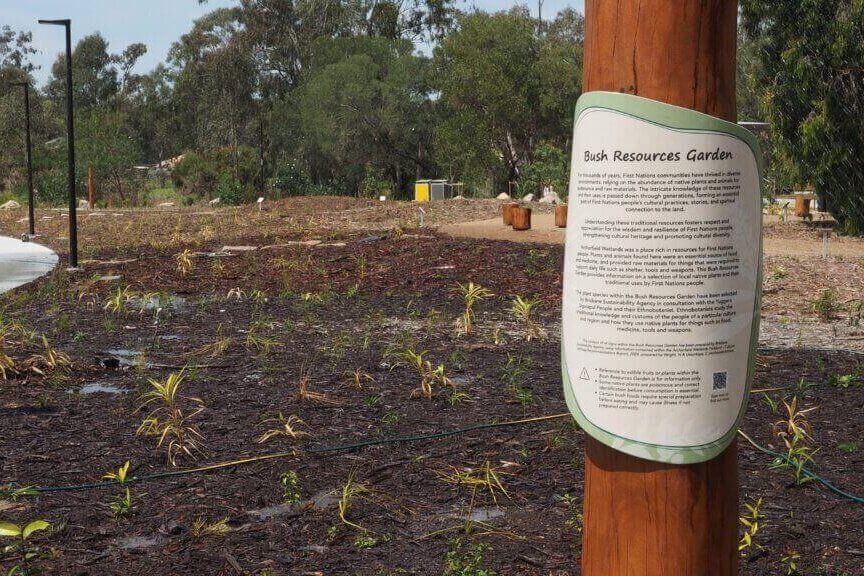
For thousands of years, First Nations communities have thrived in diverse environments, relying on the abundance of native plants and animals for sustenance and raw materials.
The intricate knowledge of these resources and their uses is passed down through generations, forming an essential part of First Nations people’s cultural practices, stories, and spiritual connection to the land.
Understanding these traditional resources fosters respect and appreciation for the wisdom and resilience of First Nations people, strengthening cultural heritage and promoting cultural diversity.
Plants and animals found here were an essential source of food and medicine, and provided raw materials for things that were required to support daily life such as shelter, tools and weapons. The Archerfield Wetlands District Park Bush Resources Garden provides information on a selection of local native plants and their traditional uses by First Nations people.
The plant species within the Bush Resources Garden have been selected by Brisbane Sustainability Agency in consultation with the Yuggera Ugarapul People and their Ethnobotanist. Ethnobotanists study the traditional knowledge and customs of the people of a particular culture and region and how they use native plants for things such as food, medicine, tools and weapons.
To note: Information provided on the plant species included within the Bush Resources Garden has been prepared by Brisbane Sustainability Agency using information contained within the Archerfield Wetlands Parkland – Cultural Heritage Recommendations Report, 2024, prepared by Wright, N & Ustunkaya, C (Archaeobotanika).
Bush resources garden – species list & traditional uses

- References to edible fruits or plants within the Archerfield Wetlands District Park Bush Resources Garden is for information only
- Some native plants are poisonous and correct identification before consumption is essential.
- Certain bush foods require special preparation before eating and may cause illness if not prepared correctly.
To note: The hyperlinks contained in the below table link each plant species to their respective page in the Atlas of Living Australia (ala.org.au).
| Common name | Species name and link to further information | Traditional uses |
|---|---|---|
| Midyim berry | Austromyrtus dulcis | Endemic to the coastal areas of South-East Queensland and northern New South Wales, this plant has round, light blue-grey spotted fruits. The sweet berries can be eaten raw or pounded into a jam-like paste and are considered one of the tastiest bush tucker fruits. |
| Pink-fruited lime tree | Glycosmis trifoliata | This bushy shrub, or small tree, produces tiny white fragrant flowers followed by clusters of small pink juicy fruits that taste sweet with a flavour similar to honey. It is also a host plant for the Swallowtail Butterfly. |
| Native ginger | Alpinia caerulea | A versatile plant, pulp from the young stems and its bright blue berries can be eaten raw, while the roots can be used in cooking. Historically, the leaves were used for thatching as well as to wrap food for cooking. |
| Ruby saltbush | Enchylaena tomentosa | Commonly known as salt bush, most of this low-growing groundcover is edible. The tiny red fruits can be eaten raw when ripe. The fleshy green leaves are also edible, but should be cooked before eating or consumed in small quantities. |
| Zig-zag vine | Melodorum leichhardtii | A vigorous evergreen climber with edible tangy orange fruit. The fruit was often maggot infested which increased nutritional value, making them particularly attractive as food for some First Nations communities. |
| Black apple | Planchonella australis | A slow growing rainforest tree found along the eastern coast of Australia. The black fruit is edible and roughly the size and shape of a plum. |
| Shrubby plum vine | Podocarpus spinulosus | A small, shrubby conifer that produces cones on a blue-black, fleshy, fruit-like stalk which can be eaten raw or cooked. Male and female plants are required to be in proximity for the plants to fruit. |
| Slender palm lily | Cordyline stricta | An evergreen understorey plant with edible purple-black berries that are highly prized bush tucker. It is the only species of cordyline with black fruits in Australia. The plant is also butterfly attracting. |
| Scrambling lily | Geitonoplesium cymosum | This spreading vine has small, fragrant, star-shaped flowers, and black edible fruit. New shoots can be eaten raw or cooked. The shoots and leaves can also be boiled to make a tea and poultice. |
| Sandpaper fig | Ficus coronata | The small fig tree is common around water courses in South East Queensland. It has brown-purple fruits which are edible raw (after processing), or can be cooked. Historically, the leaves were used as sandpaper and the bark string used to make dillies (woven bags). |
| Blue tongue | Melastoma affine | The sweet, blue-black berries can be eaten raw. The common name ‘Blue tongue’ refers to the pulp within the fruit which stains the mouth. The purple flowers can be boiled to make a tea. Historically, the pulp and juice of the berries was used as a natural stain or dye in ceremonies. |
| Whip vine | Flagellaria indica | A vigorous vine with curled leaf tips that allow it to climb strongly. While not edible, historically, this vine was widely used as a rope for climbing trees. The rope was soaked in water after use to keep it supple. |
| Green mat rush | Lomandra hystrix | Much of this plant is edible. The flowers can be soaked for nectar, the seeds can be ground into flour and the pale-green base of the leaves can be chewed. Historically, the long smooth leaves were used for weaving baskets, nets, ropes and traps. |
Explore other destinations