




8 Hard-to-Recycle Items in Brisbane and What to Do With Them
Living sustainably in Brisbane means more than sorting our yellow lid and green waste bins. Some everyday items simply don’t belong in kerbside recycling, but that doesn’t mean they’re destined for landfill. With the right drop off points, specialty programs and a little local knowhow, many of these tricky materials can still be recovered responsibly.
Here’s a practical guide to eight common hard-to-recycle items in Brisbane and where they actually go.
Heat Resistant Glass (Pyrex & ovenware)
Heatproof glass might look similar to jars and bottles, but it’s made from borosilicate glass, which melts at a much higher temperature. Even a small amount mixed into ordinary glass can ruin an entire recycling batch, which is why Pyrex and similar cookware can’t go in kerbside recycling.
If it’s intact, consider reusing it for storage, donate it to your local charity shop or gifting it via Buy Nothing groups. Broken or unusable pieces must go in your general waste bin.
For more information visit https://kb.recyclemate.com.au/help/pyrex
Coffee Pods
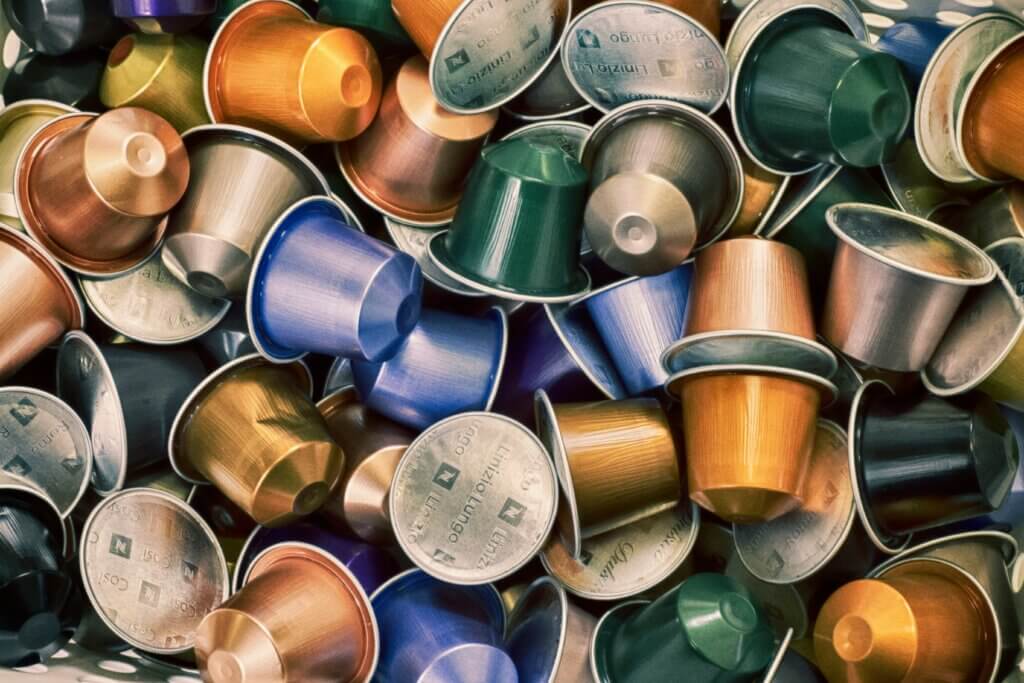
These tiny capsules contain aluminium or plastic combined with organic residue, a complex combo that standard recycling systems can’t separate. Thankfully, Brisbane has convenient alternatives.
RecycleSmart now collects coffee pods from your doorstep, making the process as simple as filling a bag. Brand takeback programs (like Nespresso via TerraCycle) also provide convenient recycling options.
Blister Packs (medication strips)
Medication blister packs combine foil and plastic, making them impossible to separate in household recycling.
They can, however, be recycled through speciality programs. RecycleSmart accepts blister packs in their trickier items collection, and some pharmacies participate in national recycling streams via TerraCycle.
EWaste (phones, cables, appliances, small electronics)
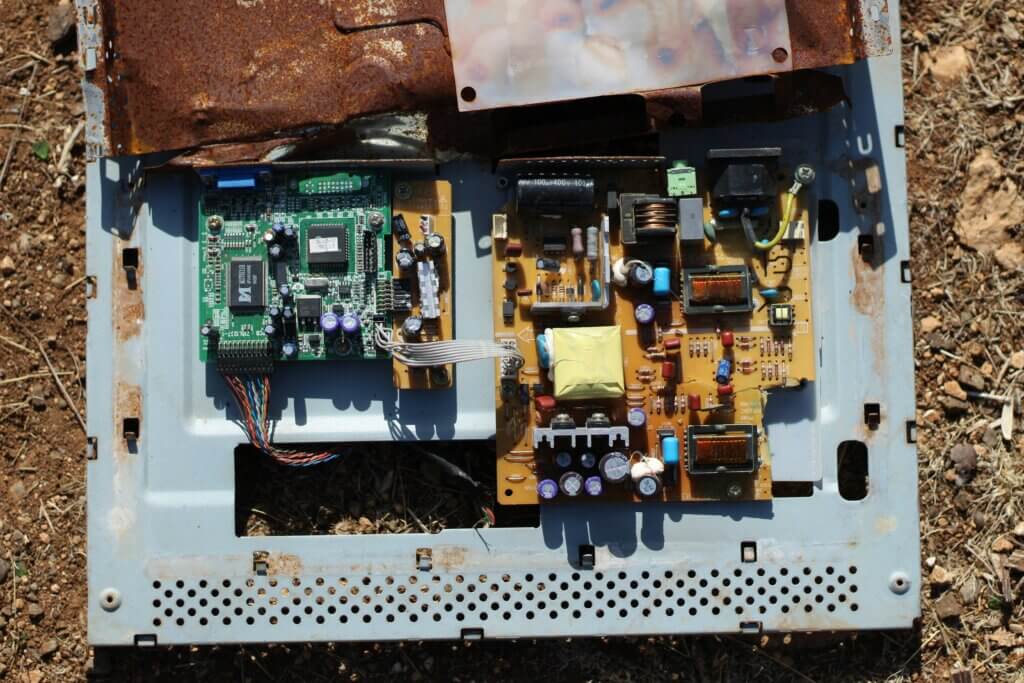
Ewaste is one of Brisbane’s fastest growing waste streams, and because it contains both valuable metals and hazardous materials, it should never go in any household bin. Instead, Brisbane offers a strong network of recycling options including one standout local hero, Substation33.
Brisbane’s Resource Recovery Centres accept most electrical items for responsible recycling, and Mobile Muster provides free drop off points for old phones and accessories. RecycleSmart also offers convenient doorstep collection for cables, small devices, batteries and more.
But one of the most impactful places to take your electronics is Substation33, a Logan based social enterprise that dismantles and recycles ewaste while providing employment, training, and meaningful work for volunteers. They accept anything with a cord or battery, and only about 4% of what passes through their doors ends up in landfill. Their team collects over 200 tonnes of ewaste per year, and they even repurpose components into innovative products like electric bikes and recycled battery flood warning signs.
You can drop items off at their Meadowbrook location anytime Monday–Friday, and they also offer community collection initiatives where residents can host local ewaste drives.
Batteries
Batteries are one of the most common contaminants in Brisbane’s waste stream – and one of the most dangerous. They should never go in household bins because they can leak toxic chemicals and even ignite fires in kerbside collection trucks or at resource recovery centres. Brisbane residents have several responsible recycling options.
Brisbane’s Resource Recovery Centres and retailer drop off points (such as Bunnings, Officeworks, Coles and Woolworths) accept most everyday household batteries through the national Bcycle scheme. RecycleSmart also includes small household batteries in their doorstep collection service, making it easy to keep these items out of landfill.
You can also drop off household batteries at Battery World, which participates in the national Bcycle program and accepts a wide range of battery types for responsible recycling. Battery World also runs a free recycling program for lead acid batteries, including car and motorbike batteries, ensuring these don’t end up in landfill.
Substation33 also accepts some batteries, specifically lead acid batteries, such as those from cars and certain appliances. These can be dropped off along with other ewaste.
By using the right drop off points for each battery type, Brisbane households can safely recycle toxic materials and help ensure precious metals like lithium, cobalt and nickel are recovered for future use.
Polystyrene / Styrofoam
Lightweight but bulky, polystyrene can’t go into household recycling. However, when dropped off through speciality recyclers, it can be transformed into useful materials like skirting boards or even bee hives.
RecycleSmart accepts polystyrene and processes it into new raw materials. Some Brisbane Resource Recovery Centres also take certain types. Check the guidelines on their website first as specific details may change.
Paint & Household Chemicals
Hazardous materials like paints, solvents and cleaning agents can’t be recycled kerbside and must be handled safely to protect the environment.
Brisbane’s Resource Recovery Centres have dedicated drop-off points for these items, ensuring they’re processed and disposed of correctly.
Fluorescent Light Bulbs & Tubes
These contain mercury and should also never go in the rubbish or recycling bin.
Resource Recovery Centres accept fluorescent tubes and bulbs, and many hardware stores also provide takeback services.
Final Thoughts
Brisbane has plenty of options for residents who want to do better with their waste, it’s just a matter of knowing where things belong. Programs like RecycleSmart, local op shops, Resource Recovery Centres and national product stewardship schemes are making it easier than ever to divert tricky materials from landfill.
What’s your household footprint??
Water isn’t the only way you can reduce your impact. Take the Brisbane Carbon Challenge online calculator to find out what your footprint is and more ways to reduce your impact for lower bills and emissions.
Explore our other articles

World Water Day – Tips For Saving Water



5 Sustainable Valentine’s Day ideas that show love for your partner and the planet
Nine ways to have a more sustainable Christmas


Money-saving powerhacks: summer edition
Make it a meaningful Christmas

How to dispose of Christmas waste responsibly

Brisbane’s Green Waste Revolution