





REDUCE WASTE, SUSTAINABLE LIVING
Five ways to support Brisbane’s local food system
From shopping locally to growing your own food and reducing food waste, there are simple things we can all do to support a more resilient local food system.
A strong local food system helps connect Brisbane residents with local growers, producers and community initiatives, while making it easier to access fresh, seasonal food.
Understanding our food system
Every time we buy, grow, cook or eat food, we’re part of a bigger system.
A food system is the network of activities and people involved in getting food from paddock to plate, including growing and producing food, processing, transporting, selling and consuming it.
A resilient food system is one that can withstand and recover from disruptions while continuing to provide people with reliable access to safe, affordable food.
Understanding how our food system works can help us see the role we all play in supporting it. From choosing local and seasonal produce to reducing food waste and getting involved in community food initiatives, our everyday choices can contribute to a stronger and more resilient food system.
Why does food system resilience matter?
Australia’s population is expected to continue growing, while our food systems also need to respond to challenges such as extreme weather, changing climate conditions and disruptions to supply chains.
Building sustainable and resilient food systems can help support our health, environment, economy and communities, while ensuring there is enough food for people now and into the future.
So, what can you do? Here are five simple ways to support Brisbane’s local food system.
1. Shop local and seasonal
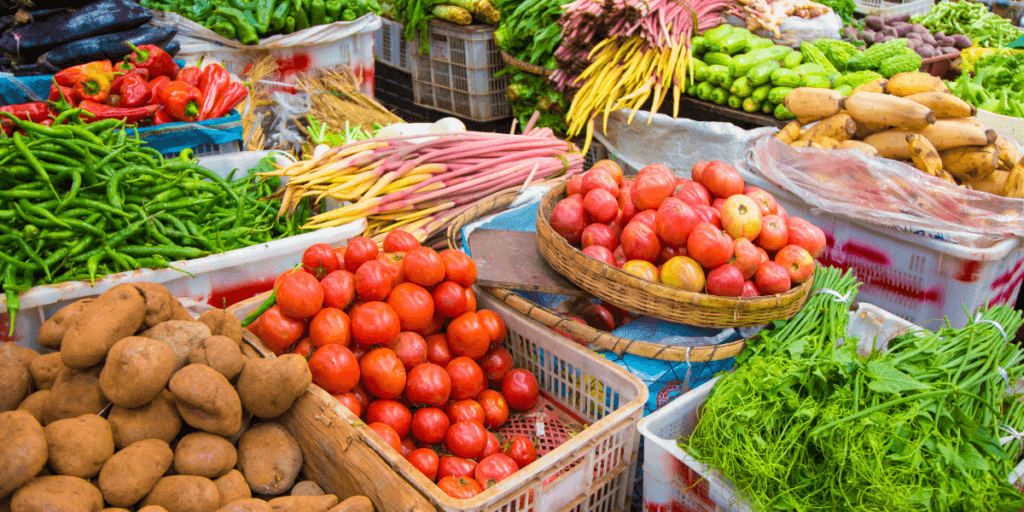
Where you shop and what you buy can make a difference.
Buying from local farmers, growers, producers and markets helps support local businesses and keeps more of your food spending in the local economy.
Choosing fruit and vegetables that are in season can also help you get produce when it’s at its freshest and can often be a more affordable option. Brisbane City Council’s seasonal produce guide can help you see what’s in season throughout the year.
You can also check the country of origin when buying fresh produce and packaged food to help make more informed choices.
Try this: Visit a local farmers market or produce store and ask what’s in season and good value this week.
2. Grow your food
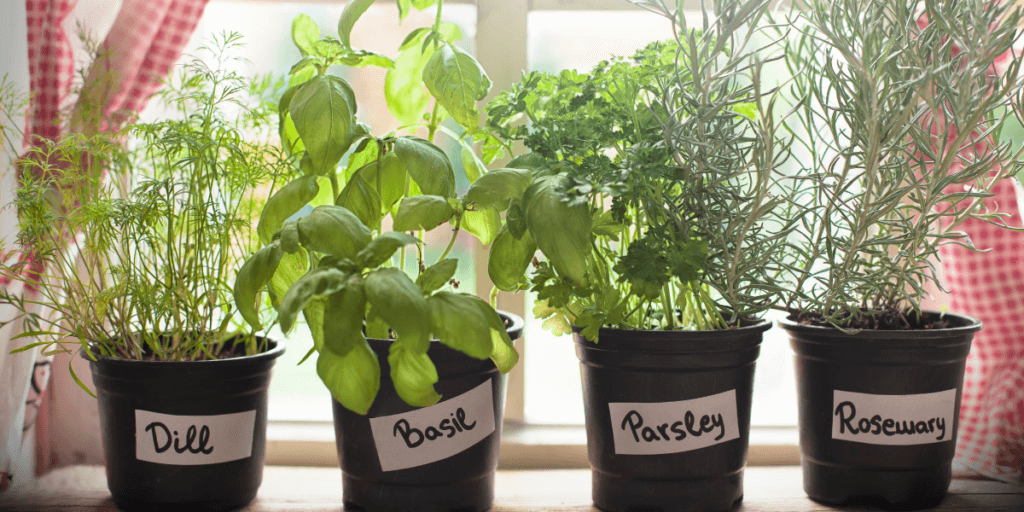
You don’t need a big backyard to grow your own food.
Herbs, leafy greens and some vegetables can be grown in pots, balconies, courtyards or even on a sunny windowsill.
Growing some of your own food can be a rewarding way to connect with where your food comes from, while giving you fresh produce close to home.
Don’t have space to grow your own? Consider joining a community garden. Brisbane has community gardens across the city where residents can grow food, share knowledge and connect with their local community.
Try this: Start small with something you’ll actually use, such as herbs, spring onions or salad greens.
3. Reduce food waste
What we do with the food we already have is just as important as what we buy.
Food waste makes up more than 25% of the average Brisbane kerbside red-lid bin, so reducing the amount of food we throw away can make a real difference.
A few simple habits can help:
- Check your fridge, freezer and pantry before you shop.
- Plan meals around food you already have.
- Make a shopping list and buy only what you need.
- Freeze food before it goes off.
- Get creative with leftovers.
- Store food correctly to help it last longer.
Reducing food waste can also help save money by making the most of the food you’ve already paid for.
Try this: Choose one night a week as a ‘use-it-up’ dinner and create a meal from what’s already in your fridge and pantry.
4. Compost your food scraps
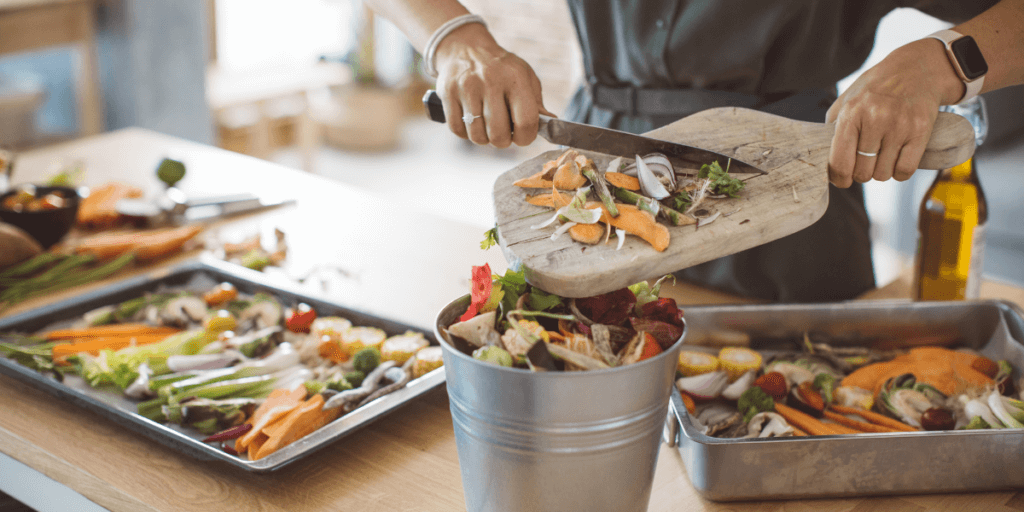
Even with good planning, some food scraps are unavoidable. Instead of sending them to landfill, you can compost them and turn them into something useful for your garden or community.
There are plenty of options depending on your home and lifestyle.
If you have space, you could try a compost bin, worm farm or bokashi system. You don’t need a backyard either. Brisbane City Council’s community composting hubs give residents another option for recycling food scraps.
Council also offers a Compost Rebate Program, with eligible Brisbane residents able to receive rebates of up to $100 for eligible composting or worm-farming equipment.
Try this: Find your nearest community composting hub or explore which composting option works best for your home.
5. Get involved in your local food community
Supporting our local food system isn’t just about what we buy.
You can get involved by joining a community garden, volunteering, sharing gardening or cooking skills, supporting local food initiatives or encouraging others to reduce food waste.
These connections help build stronger communities and contribute to a more resilient food system.
A resilient food system is one that can continue to provide people with safe, affordable food when things don’t go to plan, including disruptions caused by extreme weather or changes to supply chains.
Try this: Find a community garden, local food initiative or workshop in your neighbourhood and get involved.

Small choices can make a difference
Supporting a local food system doesn’t have to mean making big changes.
It can be as simple as buying seasonal produce, visiting your local market, growing a few herbs, planning your meals or keeping food scraps out of landfill.
Every time we make the most of the food we have and support the people who grow and produce it, we’re helping build a stronger and more resilient food system for Brisbane.
Want to waste less food?
Start with what’s already in your kitchen.
Check your fridge and pantry before your next shop, plan meals around what you have and find a way to use up food before it goes to waste.
For more tips, visit Brisbane City Council’s guide to reducing food waste at home.
Explore our other articles



Money-saving powerhacks: winter edition


World Water Day – Tips For Saving Water

8 Hard-to-Recycle Items in Brisbane


5 Sustainable Valentine’s Day ideas that show love for your partner and the planet

Nine ways to have a more sustainable Christmas

Money-saving powerhacks: summer edition

Make it a meaningful Christmas